
Citizen Astronomer: December 2025
December’s Night Sky: Meteors, Giant Planets, and the First Stars of Winter

December nights bring crisp air, long hours of darkness, and some of the best stargazing of the year. From brilliant meteor showers to shining planets and the rise of winter constellations, the desert sky this month is full of celestial gifts.
Whether you’re stepping outside after dinner or staying up late with a blanket and binoculars, here’s what to look for.
The Winter Constellations Arrive
December opens the door to bright, clear winter skies. As darkness falls, look east for the return of Orion, Taurus, and Gemini — bold constellations that dominate the season and are easy to spot even under a moonlit sky.
The eastern sky is especially lively this time of year. Sirius, the brightest star visible from the Northern Hemisphere, rises around 9 pm throughout December. When it’s low on the horizon, its sparkling twinkle can appear almost rainbow-like — a beautiful view with the naked eye, and even more striking through binoculars.
This is a great month to notice the colors of starlight. Cool blue stars like Sirius and Procyon (in Canis Minor) contrast with the warm orange hues of Betelgeuse (Orion’s shoulder) and Aldebaran (Taurus’s red eye).
Meteor Showers: December’s Sky Shows
Geminids (Peak December 13–14)
One of the year’s most reliable and impressive showers, the Geminids can produce 50+ meteors per hour under dark skies. You don’t have to wait until midnight — meteors will be visible from mid-evening through dawn. They tend to be slower and brighter than other showers, making them easy to spot.
Ursids (Peak December 21–22)
Less intense than the Geminids but still rewarding, the Ursids peak around the winter solstice. Their radiant point lies near the Little Dipper, which remains high in the northern sky. You might catch 5–10 meteors per hour, and under cold, clear desert skies, even a modest shower can feel magical.
December’s Cold Moon (Supermoon!)
Rising on December 15, this month’s full moon was named the Cold Moon by the Mohawk people, marking the start of winter’s deep chill. It also qualifies as a supermoon, appearing slightly larger and brighter than usual thanks to its closer proximity to Earth.
While the full moon will outshine fainter stars and meteors for a few nights, it transforms the desert into a glowing, silver-lit scene. It’s a perfect night for a moonlit walk or a cozy evening spent soaking in the light bouncing off desert rocks and Joshua trees.
Planets on Display
Jupiter dominates the evening sky, rising shortly after sunset and shining brilliantly throughout the night. It’s brighter than any star and remains high overhead for hours. With binoculars, you can spot its four largest moons: Io, Europa, Ganymede, and Callisto all lined up in miniature orbit.
Saturn is still visible after sunset, lower in the southwest. While it’s fainter and setting earlier each night, it remains a treat. Its soft golden hue is unmistakable, and through a telescope, its rings (currently edge-on) make for a striking sight.
Mercury sneaks into the predawn sky early in the month. Around December 7th, it reaches its best morning visibility, appearing low in the eastern sky just before sunrise. Look shortly before dawn and keep your view low and clear.
Deep Sky & Binocular Gems
December’s dark skies and low humidity make it a perfect month for deep-sky exploration, especially with binoculars.
The Andromeda Galaxy (M31) is still well placed high in the sky, visible as a faint smudge in dark conditions. Binoculars reveal its elongated glow, reminding us of our galaxy’s place among its neighbors.
The Pleiades (M45), also known as the Seven Sisters, is a compact, sparkling cluster in Taurus. It rises early and is a favorite binocular target thanks to its brightness and beauty.
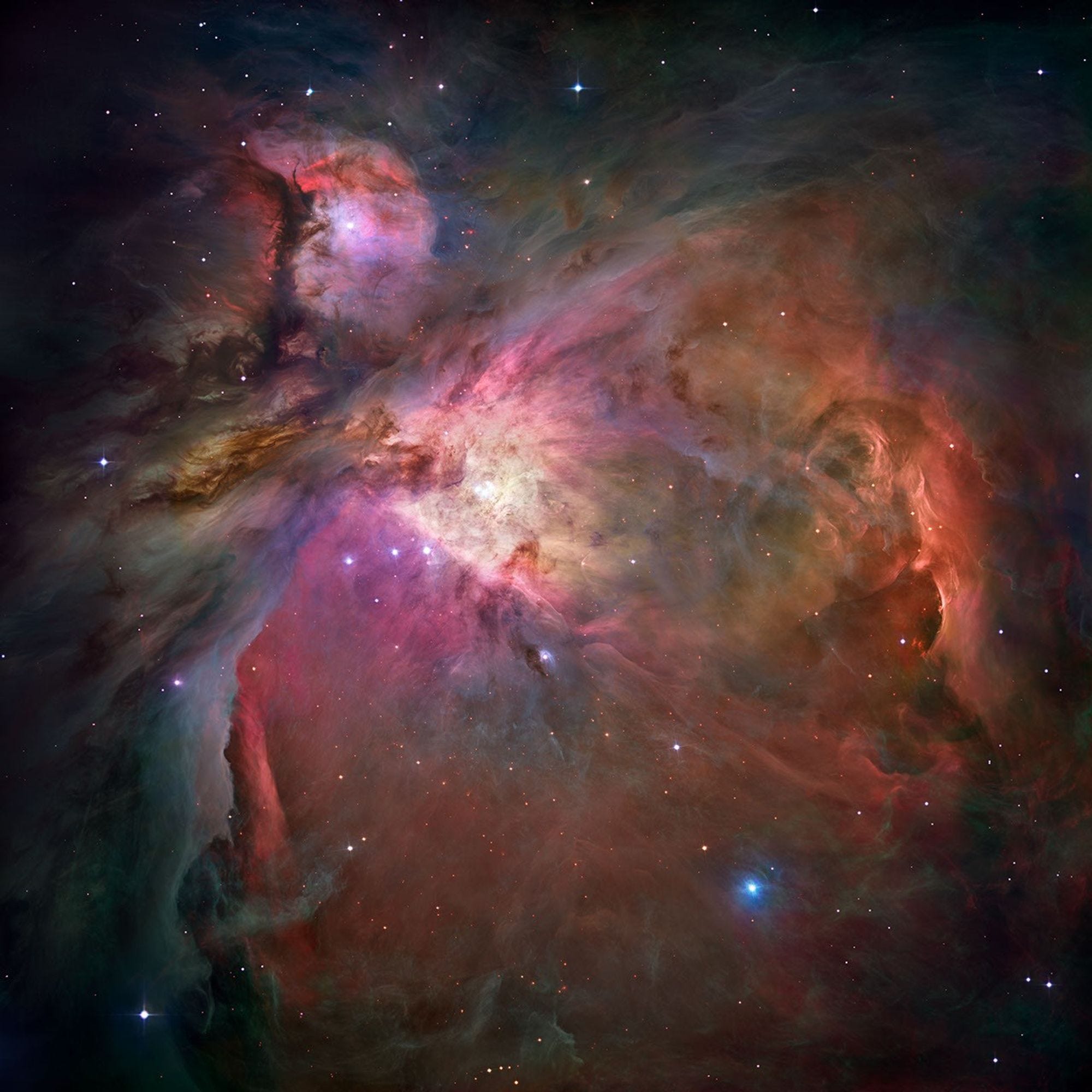
Orion’s Belt & Sword: Even without binoculars, Orion’s belt is easy to find. A pair of binoculars reveals the Orion Nebula (M42) nestled in the “sword” — a fuzzy patch glowing with newborn stars and gas clouds.
Stargazing Tips for December
Bundle up: Desert nights drop quickly into the 30s. Dress in warm layers and bring blankets or sleeping bags for comfort.
Choose your timing: For meteor watching, plan around moonrise and moonset to get darker skies.
Stay comfortable: A reclining chair or pad makes it easier to lie back and take in the whole sky.
Preserve night vision: Give your eyes 20–30 minutes to adjust to the dark, and avoid phone screens or bright flashlights. Red light works best.
Caitlin Gill is co-owner and Astronomy Guide for Joshua Tree Astronomy Adventures.
Leave your thoughts in the comments below. Please note that we do not allow anonymous comments. Please be sure your first and last name is on your profile prior to commenting. Anonymous comments will be deleted.
Feel free to share this article!
Help us reach our 2025 goal of $10,000 in subscriptions! Upgrade to a paid subscription for just $5 per month or $50 per year.
Would you care to donate more than $100? Our Paypal account is up and running!
Great article! Can’t miss the major constellations and Jupiter and am grateful for the heads up with everything else! I’ll be watching! ✨💫🪐