
Citizen Astronomer: February 2026
A Planet Parade and the Final Glow of Winter Stars

Chilly desert evenings in February come with their own kind of magic. The high desert sky feels open and calm, still holding onto winter’s brilliance while hinting at the shifting seasons. This month also brings a rare planetary alignment that’s worth braving the cold for.
Stars that Anchor the Season
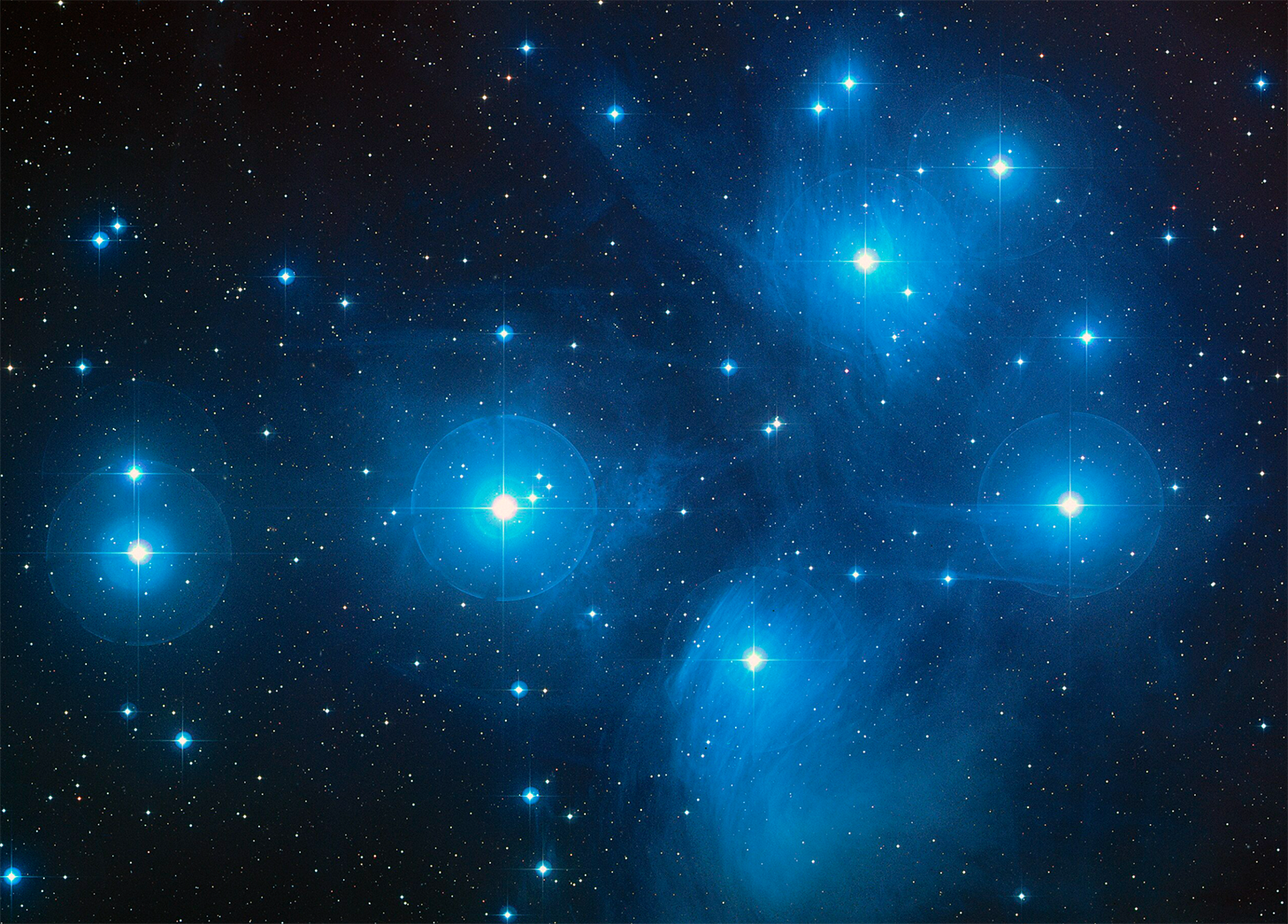
Step outside after sunset and look east. Orion is still leading the way across the sky, his belt of three stars unmistakable. Nearby, the red-orange glow of Aldebaran in Taurus and the delicate sparkle of the Pleiades remind us that we’re still in winter’s domain.
Sirius rises bright in the southeast shortly after sunset. It’s the brightest star visible in the night sky and a favorite for February viewing.
But there’s also a rare bonus this month. Its the chance to glimpse Canopus, the second-brightest star in the night sky, usually only visible from the Southern Hemisphere. From Joshua Tree, you can spot Canopus low in the southern sky around 9 pm, beneath Sirius. It hugs the horizon and never climbs high, so a clear, unobstructed southern view is a must. If you catch it, you’ll be seeing light from a giant star nearly 300 light-years away. This is a true treat for northern hemisphere observers. All bright stars twinkle dramatically when low to the horizon. Canopus is an absolute showoff. Watch closely and you’ll catch flashes of red, green, and blue, all from one star. A pair of binoculars will enhance your view of some spectacular stellar scintillation.
The Planets Step Into the Spotlight
February brings dynamic changes in the planetary lineup.
Jupiter remains a brilliant presence, easy to find high in the sky after sunset. Even without equipment, it shines golden and bright. Through binoculars, its four biggest moons will be in a different alignment every night.
Saturn sinks closer to the horizon each evening, visible only for a short time after sunset early in the month. By month’s end, it’s gone from view.
Mercury and Venus both make appearances low in the west shortly after sunset. These two worlds shine close to each other as the Sun dips below the horizon, offering a rare pairing during late February’s planetary alignment.

Heading into the 2026 elections, Desert Trumpet has sustained a potential 50% cut in funding. Help us provide the coverage you’ve come to expect by becoming a paid subscriber or upgrading your paid subscription today!
February’s Planet Parade
One of the most exciting sky events this month is a multi-planet alignment visible in the last few days of February. Just after sunset, look west to spot a line of planets stretching across the sky. Mercury, Venus, Saturn, Jupiter, are visible to the naked eye. With help from binoculars or a small telescope, you may even glimpse Uranus and Neptune.
They won’t form a tight cluster, but this arc of planets is a rare treat. The best viewing happens during the final week of February, around February 28. They are best seen just as twilight fades and before the fainter beauties sink too low. Try to find a dark spot with a wide western view.
February’s Snow Moon
February’s full moon, traditionally called the Snow Moon, rises on February 1, casting bright light across the desert landscape. While it washes out fainter stars for a few nights, it creates its own spectacle and dramatic shadows on the boulders in our landscape.
After the full moon, darker skies return for deep-sky observing, with the new moon arriving on February 17.
For Binoculars and Small Telescopes
This month is ideal for revisiting winter’s best binocular sights:
The Orion Nebula (M42) — a stellar nursery glowing just below Orion’s belt.
The Hyades and Pleiades — two open clusters in Taurus.
The Andromeda Galaxy (M31) — still high enough in the northwest after dark to glimpse before spring arrives.
Stargazing Tips for February
Catch the planet parade February 26 through 29, right after sunset in the western sky.
Bundle up. Temperatures drop fast. Extra socks and hand warmers help.
Many of the month’s best views don’t need fancy gear. Just your eyes are enough, and as always, binoculars bring a lot to the party.
Download a stargazing app to help identify Mercury, Venus, and Canopus. They’re easy to miss if you’re not ready.
Give your eyes time to adjust. At least 20 to 30 minutes away from bright lights will help you see more.
February might be the shortest month, but it delivers big views, from a visit to the northern hemisphere of Canopus and a planetary lineup you won’t want to miss. Set a reminder for the end of the month and don’t forget to look up!
Caitlin Gill is co-owner and Astronomy Guide for Joshua Tree Astronomy Adventures.
Thanks to our new paid subscribers, we are at $8765 in subscriptions, just $1235 short of our $10,000 goal. Upgrade your subscription from free to paid today for just $50 per year or $5 per month.
Are you able to give more than $100? Donate via Paypal!
Leave your thoughts in the comments below. Please note that we do not allow anonymous comments. Please be sure your first and last name is on your profile prior to commenting. Anonymous comments will be deleted.
Feel free to share this article!