
Citizen Astronomer: March 2026
Spring Stars, Bright Planets, and the Last of Winter

March is a month of transition in the night sky. At sunset we see winter’s bold constellations begin drifting west. Spring stars rise in the east just a few hours after sunset, and the nights slowly grow shorter. There’s plenty to see overhead in Joshua Tree, especially if you step outside early.
The Changing of the Guard
After sunset, Orion still commands the southwestern sky. The bright winter stars, Sirius, Betelgeuse, and Aldebaran, set earlier each night, making room for the softer patterns of spring.
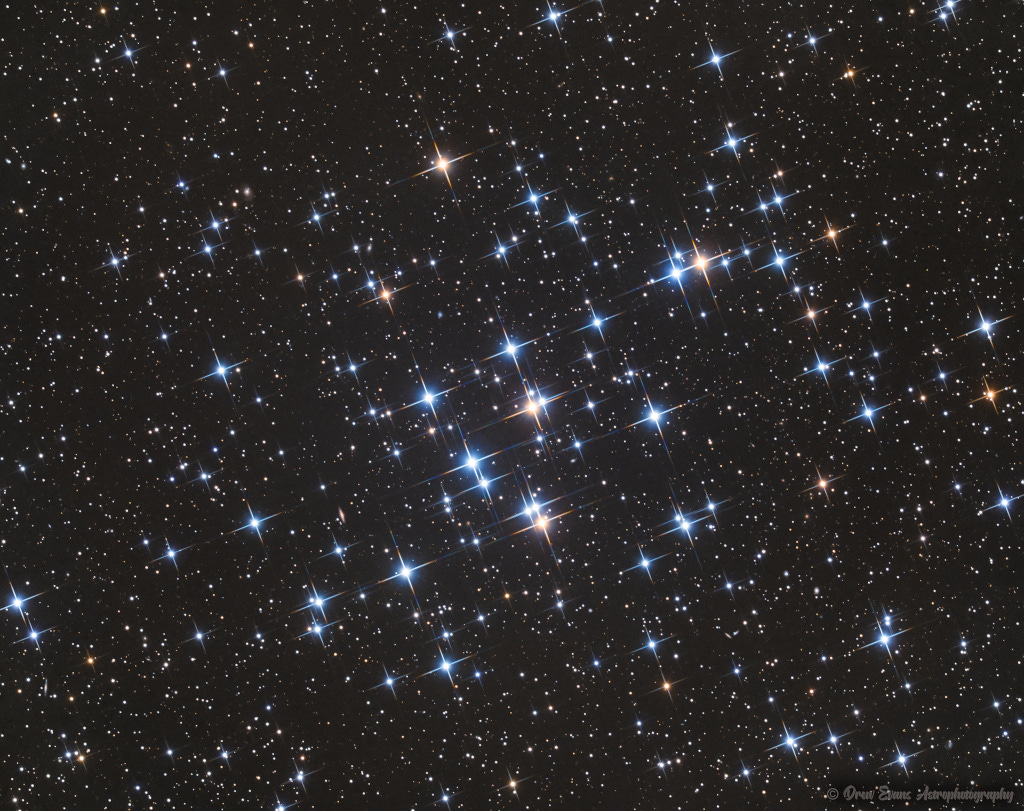
Look east to welcome the new season. Leo the Lion climbs high by mid-evening, marked by a backward question mark of stars called the “Sickle.” The bright star Regulus sits at its base. Just above the Sickle, Cancer and the faint but beautiful Beehive Cluster (M44) become excellent binocular targets under dark skies.
March is also a wonderful month to catch the Big Dipper rising high in the northeast. Follow the curve of its handle to Arcturus, the bright orange star in Boötes, one of the first true heralds of spring.
Planet Watch
Jupiter continues to shine brightly in the evening sky, though it sets earlier as the month progresses. It remains the easiest planet to spot and still rewards binocular viewers with its four Galilean moons lined up beside it.
Venus and Mercury linger low in the west just after sunset early in the month, but their visibility windows are short. A clear western horizon and good timing are key.
By late March, early risers may notice Saturn beginning to reappear in the predawn sky, very low in the east before sunrise.
March’s Full Moon: The Worm Moon
The full moon rises on March 4, traditionally known as the Worm Moon, marking the seasonal shift toward spring. While bright moonlight can wash out faint stars for a few nights, it also casts beautiful shadows, which adds lovely dimensions to our desert landscape.
The New Moon arrives March 18, bringing darker skies ideal for deep-sky observing and galaxy hunting.
Deep-Sky Highlights
March is galaxy season. With darker skies mid-month, try scanning near Leo and Virgo, home to distant galaxies that become visible in binoculars or small telescopes under dark skies.
Don’t forget winter favorites while they’re still around, like the Orion Nebula (M42) before it sinks in the west and the Pleiades (M45) earlier in the evening.
Stargazing Tips for March
Go out earlier in the evening if you want to catch Orion before it sets.
Use the New Moon period around March 18 for the darkest skies.
Bring layers. Nights are warming slightly, but the desert cools quickly after sunset.
Give your eyes time to adjust before galaxy hunting.
March skies in Joshua Tree feel like a quiet handoff between seasons. Winter’s brilliance lingers in the west while spring’s softer constellations rise in the east. It’s a month of balance — and a beautiful time to look up.

Help us get to to $9,000 — we’re just $15 away!! Upgrade your subscription from free to paid today for just $50 per year or $5 per month.
Want to make a one time donation or are you able to give more than $100? Donate via Paypal!
Leave your thoughts in the comments below. Please note that we do not allow anonymous comments. Please be sure your first and last name is on your profile prior to commenting. Anonymous comments will be deleted.
Thanks for reading! This post is public, so feel free to share it.