
Citizen Astronomer: May 2026
Spring Galaxies, a Meteor Shower, and Summer on the Horizon

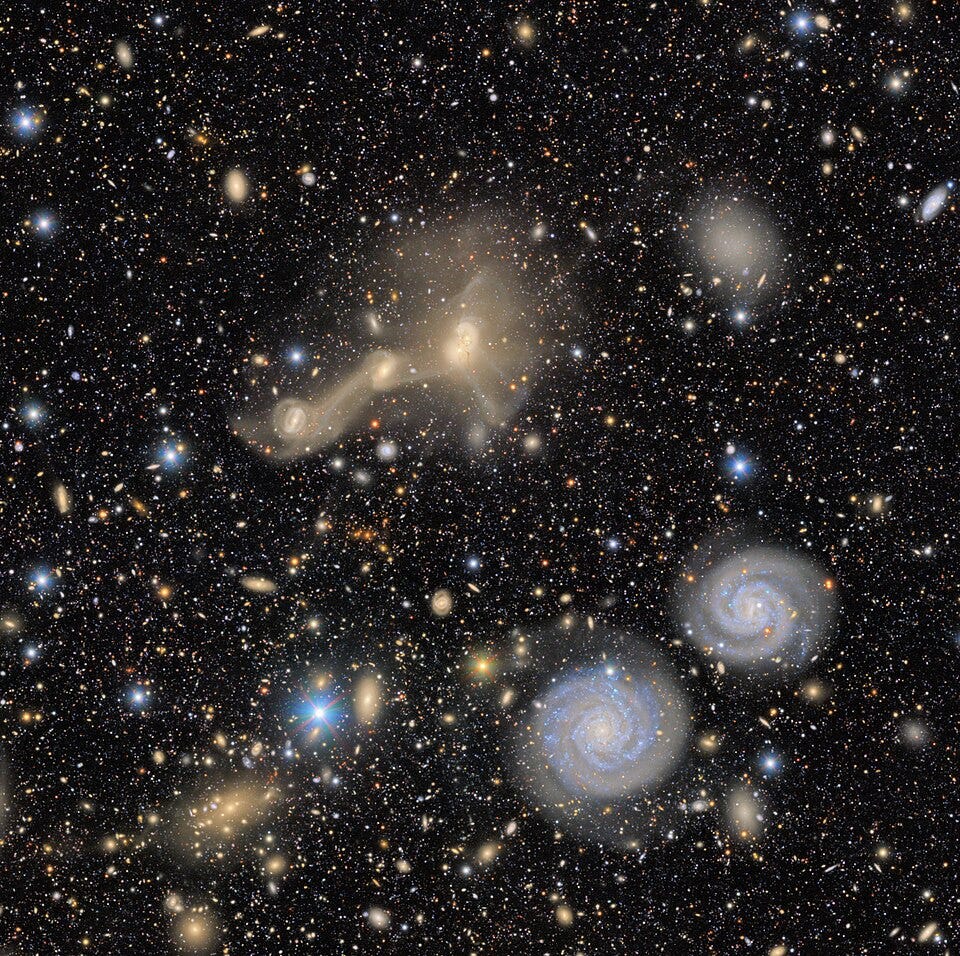
May nights in Joshua Tree are some of the most comfortable of the year. The air softens and the sky invites you to stay out a little longer. Spring constellations now sit high overhead, galaxy season continues, and the first hints of summer begin to rise late at night.
It’s a quieter sky than winter, but a rewarding one for those willing to slow down and take a closer look.
Spring Constellations Settle In
By nightfall, Leo sits high overhead, one of the most prominent constellations of the season. Its bright star Regulus marks the heart of the lion, and the curved sickle shape makes it easy to recognize once you spot it.
Virgo is rising in the east at sunset, gradually climbing higher as the night goes on. Its brightest star, Spica, serves as a bold gateway to the deeper sky beyond.
To find it, follow the curve of the Big Dipper’s handle to Arcturus, then continue that same arc to Spica. It’s a classic stargazing trick and a satisfying one to try in person.
In the east later in the evening, the stars of Scorpius and Sagittarius begin to rise, hinting at the return of the Milky Way in the months ahead.
Galaxy Season Continues
May is still prime time for galaxies. When you look toward Virgo and Coma Berenices, you’re looking out of the plane of our own galaxy and into deep space.
Unlike the Andromeda Galaxy, which can be spotted with the naked eye on dark nights in the fall and winter, spring galaxies are much fainter. Even under Joshua Tree’s dark skies, they typically appear only through binoculars or a telescope as soft, subtle patches of light.
The Virgo Cluster remains the centerpiece. With patience and averted vision, you can begin to pick out these distant systems, each one an entire galaxy far beyond our own. To use averted vision, shift your focus just a bit (5–10°) away from your target to let faint light sneak in to the corner of your eye.

Meteor Highlight: The Eta Aquarids (May 5–6)
May’s meteor shower, the Eta Aquarids, peaks on the morning of May 5 into May 6.
These meteors are fast and often leave glowing trails. They originate from debris left behind by Halley’s Comet, giving them a long and well-documented history.
From Joshua Tree, the best viewing comes just before dawn, when the radiant in Aquarius climbs higher in the sky.
This year, the Moon will be bright during the best viewing hours, which will wash out many of the fainter meteors. Even so, the brighter streaks can still put on a good show if you’re willing to wake up early and spend some time outside.
Planet Watch
Venus continues to shine brightly in the western sky after sunset, one of the first objects to appear as twilight fades.
Jupiter remains visible for a good stretch of the evening, not setting until after midnight. It still stands out as one of the brightest objects in the sky and is well worth catching before it dips toward the horizon.
Saturn is becoming easier to spot in the predawn sky, rising earlier each morning. If you’re out for the Eta Aquarids, you may catch Saturn low in the east before sunrise. We currently see Saturn’s rings edge on, which means they appear as a single, bold line cutting across the planet.
May’s Full Moon: The Flower Moon
The full moon rises on May 1, known as the Flower Moon, named for the abundance of spring blooms.
Like all full moons, it brightens the sky for a few nights, making faint galaxies harder to spot, but it creates a beautiful glow across the desert landscape.
Darker skies return mid-month, with the new moon on May 16, offering excellent conditions for deep-sky observing.
Binocular Highlights
May continues to reward patient observers with binoculars:
Coma Berenices Star Cluster, a loose scattering of stars that looks almost like a misty patch to the naked eye.
Beehive Cluster (M44), is right overhead at sunset.
Virgo Galaxy fields, where careful scanning may reveal faint, distant galaxies.
Stargazing Tips for May
Plan early morning sessions for the Eta Aquarids around May 5–6
Use the New Moon period around May 16 for the darkest skies
Start your observing session right after sunset if you want to catch Venus
Give your eyes time to adjust before searching for faint galaxies
Take advantage of the comfortable temperatures, May is a great month for longer sessions
May skies in Joshua Tree reward patience. The brightest stars are fewer, the galaxies are subtle, and the best moments often take a little time to find.
Stay out a little longer than you planned. Let your eyes adjust. This is a month where the details matter and where the sky reveals itself slowly.
Thanks to you Desert Trumpet met our $10,000 paid subscription goal!!!
Not a paid subscriber yet? Did you know that paid subscribers receive discounts on our DT Social events?
Upgrade to a $50+ paid subscription for a 10% discount.
Upgrade to $100+ for a 25% discount.
Sustaining subscribers at the $250+ level and above receive complementary tickets
Leave your thoughts in the comments below. Please note that we do not allow anonymous comments. Please be sure your first and last name is on your profile prior to commenting. Anonymous comments will be deleted.
This coverage is free - please share!