
At MUSD Board Meeting, Parents Raise Questions About Budget and Trust
On June 16, 2026, the Morongo Unified School District Board approved a new contract with the Morongo Teachers Association and salary increases

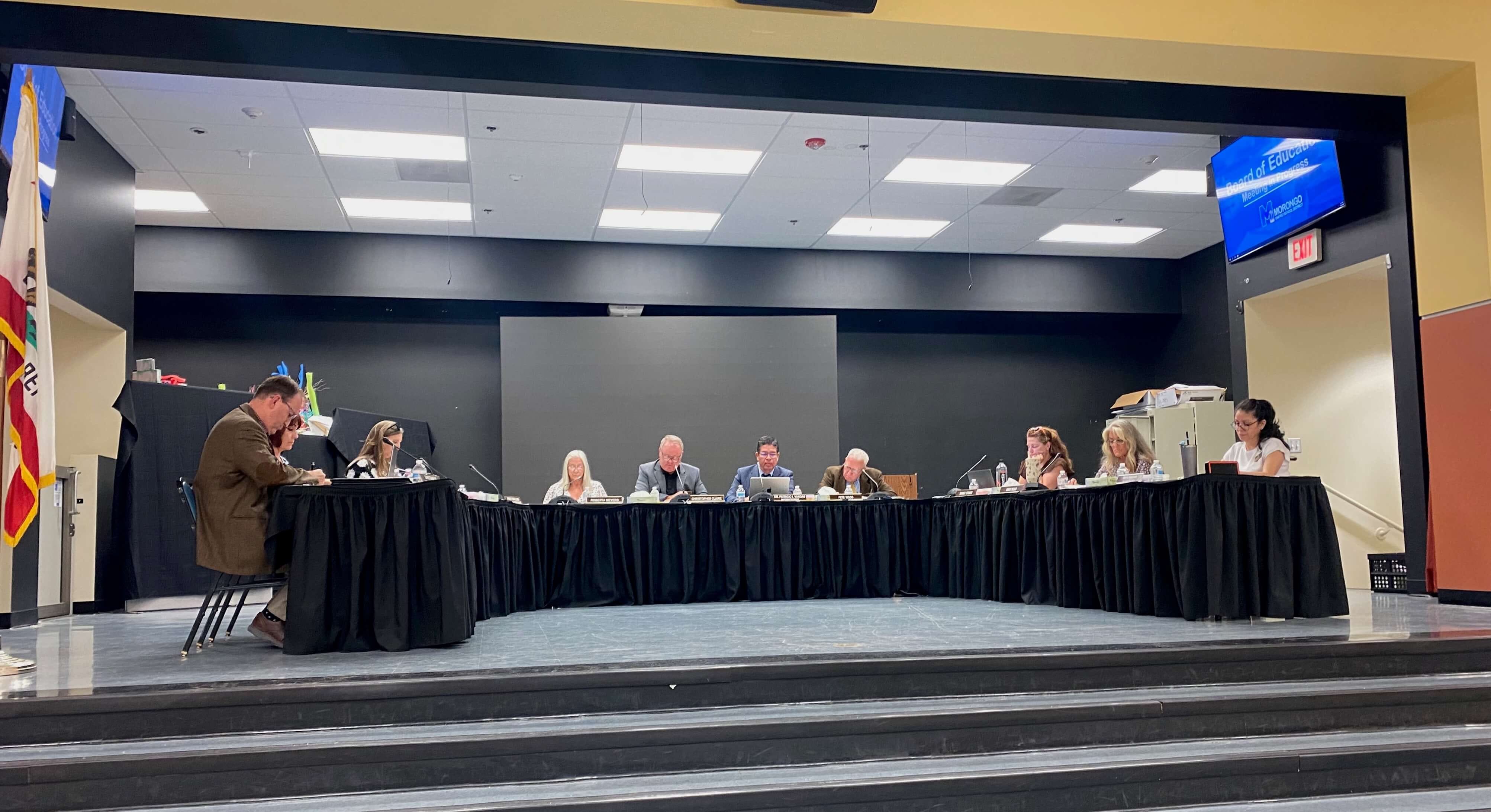
In their last board meeting before a summer recess on Tuesday, June 16, 2026, the Morongo Unified School District Board approved a new three-year contract with the Morongo Teachers Association as well as salary increases for teachers, administrators and superintendents. They also adopted the 2026-2027 draft budget and updated board bylaws. The new Assistant Superintendent of Human Resources, Dennis Zink, was approved and introduced.
While the issue of potential school closure has been a focal point for parents, teachers, and community members, including at last week’s board meeting on June 9, the board did not address this issue directly. However, the issue still loomed large in the meeting, and during public comment, parents brought up the issue of school closure as it related to the board budget and bylaws.
Potential school closures and the related issue of district fiscal solvency have had an impact on parents’ trust in the board as an institution and were the focus of their public comments. They spoke on multiple issues: Scrutiny of the 2026-2027 budget, concerns about raises for superintendents and the extension of Superintendent Dr. Patricio Vargas’s contract until 2030, and worry that a board by-laws update will consolidate superintendent power and limit the contact of school board members with parents.
The meeting started about 40 minutes late after the board returned from a closed session where they were discussing student and staff suspensions and reinstatements, as well as conferencing with labor negotiators and legal counsel. Compared to other meetings this spring, this meeting was more sparsely attended.
The agenda and recording is available from the MUSD website.
The 2026-27 budget raises parent scrutiny
By law, the district budget must be submitted to San Bernardino County by July 1, where it will be reviewed and approved by September 1. The board voted to approve the 2026-27 preliminary budget draft, but there were several public comments that raised concerns about the actions the district is taking to ensure fiscal solvency and keep schools open.
During public comment, Alexandra Altschuler shared an analysis of the budget that she and a group of parents had conducted. The analysis looked at the District’s comparative budget reports, the 2024–25 Comparative Analysis of District Income and Expenditures (CADIE), and the 2024–25 Salary and Benefits Report (SABRE), which serve as benchmarking for salaries and per-student expenditures across districts of similar size and geography.1 These reports were not available online, but were shared with the Desert Trumpet via email after the meeting.

The parents also looked at the 2025-2026 second interim report compared to the proposed budget. Ms. Altschuler explained, “Here’s the trend: Revenue up almost 3%, expenditures basically flat, but the deficit still doesn’t close … So, where did the money go?” She called out increases in classified administrative salaries (non-teaching, non-certificated personnel such as administrative staff) and services and operating expenses, and raised concerns that the budget did not go into enough detail as to what those expenses were and why they would increase.
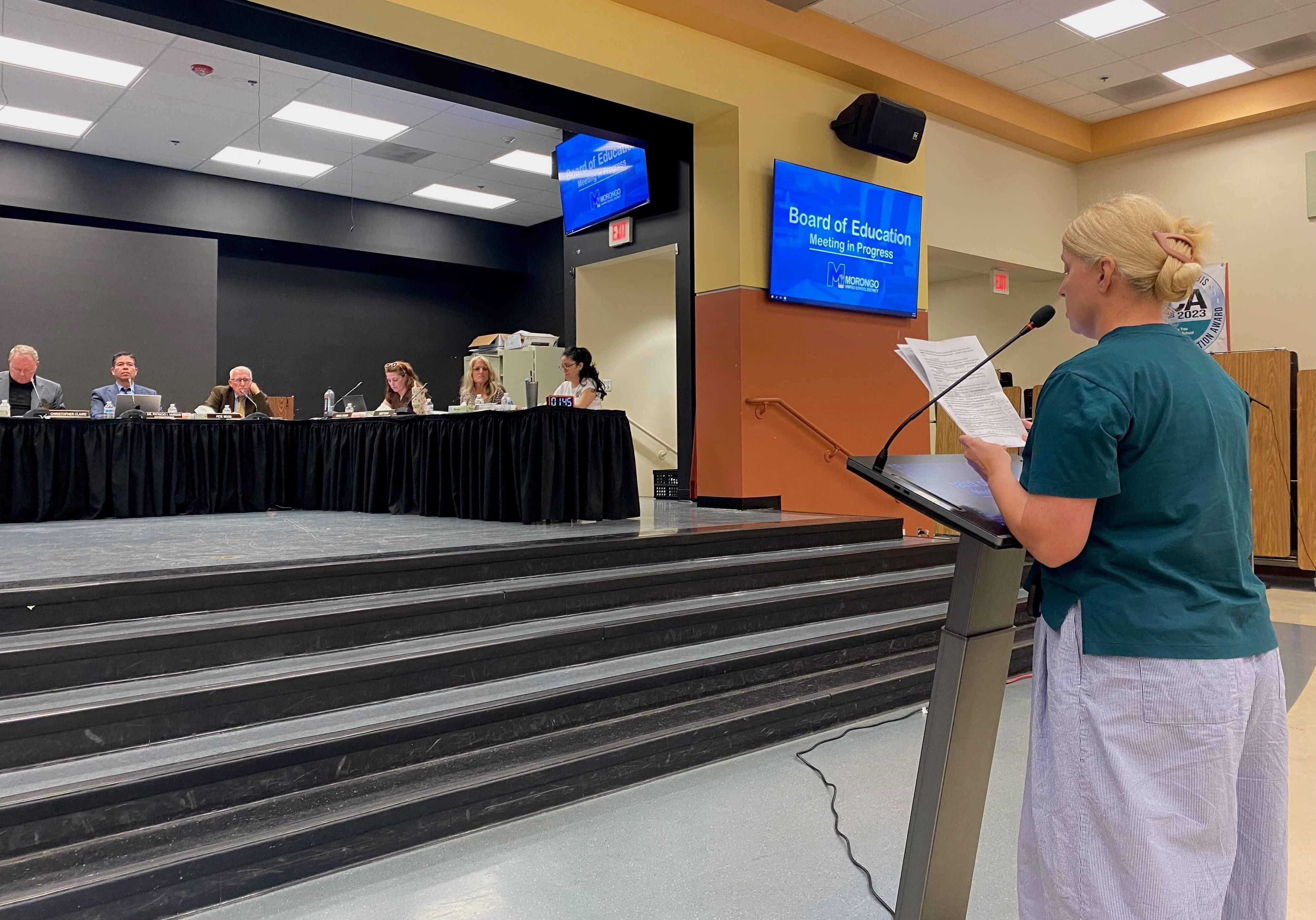
Ms. Altschuler later shared an email she had sent to the board members on May 28 that contained the following analysis:
MUSD’s unrestricted administrative spending ranks first among its eight geographic peers at $1,230 per Average Daily Attendance (ADA), compared with a group average of $836. On a total basis, the District ranks second at $1,520 per ADA versus a peer average of $978. That gap represents approximately $3.5 million in annual administrative spending above what comparable districts carry. The SABRE data shows the Superintendent’s compensation at $292,560 over 245 days, above the enrollment-appropriate range for a district of this size. Snowline USD, serving a comparable enrollment, pays $249,047. Bear Valley USD, a rural isolated district in the same county, pays $216,000.
In a later public comment, Kaylee Nieman also raised the issue that none of the recommendations to help curb expenditures from the School Leaders report were reflected in the budget. School Leaders is the consulting firm the board worked with to develop potential fiscal stabilization strategies. Nieman also asked about the status of Measure C funding2 saying,
The four schools are up for closure had a lot of Measure C expenditures that need to be addressed. Palm Vista needs a PA system, roofing replacement, and special ed play equipment. Landers needs a PA system and they don’t have any shade structure of any kind. Morongo needs a PA system and shade. Friendly Hills also needs a shade structure. So, what’s happening with that money now that closures are off the table?
While the budget passed unanimously, at the end of the meeting board member Bianca Stoker suggested a study session with David Daniels, the Assistant Superintendent for Business, to more clearly understand the budget. Stoker noted, “It seems like the more we dive in, the more questions we have, and so more clarity is always appreciated.” Board President Christopher Claire concurred and acknowledged the board had a lot to discuss, including the suggestions outlined by the school leaders’ report. The board did not set a date for the study session.
Superintendent salaries raise parent questions and concerns
Another budget-related agenda item that raised parent scrutiny was the salary adjustment and contract extension until 2030 for Dr. Patricio Vargas, the district superintendent. The school closure issue, and the trust it strained between the public and the board, was raised in public comment.
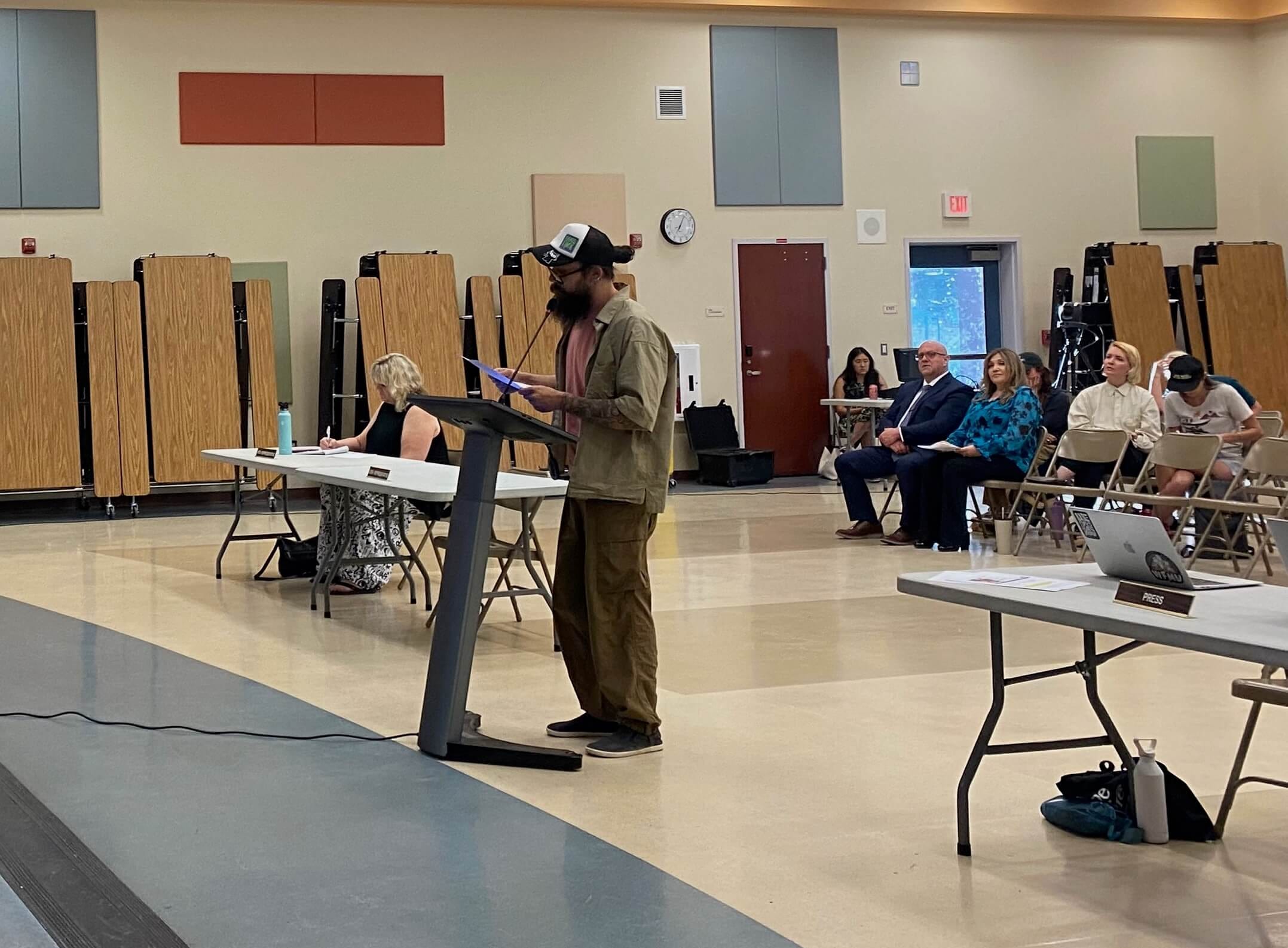
Vadim Altschuler asked that the contract either be rejected or tabled until after the November school board election. His comments emphasized the trust that had been broken between the public and district leaders because potential school closures had been pushed as a possibility by the district before the enrollment committee completed. Mr. Altschuler expressed concern about a “sweetened” superintendent’s contract before parents get full answers on the closure process, saying,
This is not just bad timing. It sends a terrible message. It looks like leadership is being protected before schools are protected. It looks like a one-person contract is being secured, while families, staff, and rural communities are still waiting for accountability … If there is a fiscal crisis, the leadership compensation belongs inside that conversation. If the district faces hard choices, then the superintendent’s contract should be not insulated from those hard questions. If public trust matters, then you do not lock the leadership for 2030 right before an election.
The salary adjustments for the superintendent and assistant superintendents passed 3-2, with Claire and board member Missy Bond voting against, and Dr. Vargas’s contract extension passing 4-1, with Claire voting against. The votes drew scattered calls of “shame” from the parents in the audience. In a conversation after the meeting parent board member Roberta Meyers explained that superintendents are in high demand and that the school district needs to do what they can to retain qualified, competent leadership.
Board bylaw update raises question about board member authority and superintendent power
A vote to update the board’s bylaws, specifically Board Policy 9200, which addressed the board’s roles and conduct, drew concern and scrutiny from some parents. They saw the updated bylaw as a concentration of power in the superintendent. The supporting document provided with the agenda shows both the old and updated language, which state that individual board members do not have the authority over the district administration and that all complaints and correspondence must be directed to the superintendent to be placed on an agenda for board discussion. The adopted language was provided to the MUSD by the California School Boards Association (CSBA), who sent the update out to all districts in the state. The bylaw update clarifies,
Additionally, individual Board members do not have the authority to investigate, resolve, or otherwise actively engage with community members with respect to complaints, personnel or student matters, or legal issues. Any Board member who receives a communication regarding such a topic shall forward the communication to or otherwise inform the Superintendent or Board president, as appropriate, who shall respond or otherwise follow-up, as needed.
In public comment Kaylee Neiman expressed concern that the update put up barriers to communication with the board as elected representatives.
I think with the lack of transparency MUSD has given to our community, especially our parents on a whole, we were hoping for more town halls, perhaps a parent task force, perhaps a student representative on the board, like LAUSD has. It seems like this change in the bylaws silences all of the board members and silences us parents.
The MUSD does have student representatives from each area high school, but they serve as advisors as opposed to full voting board members.
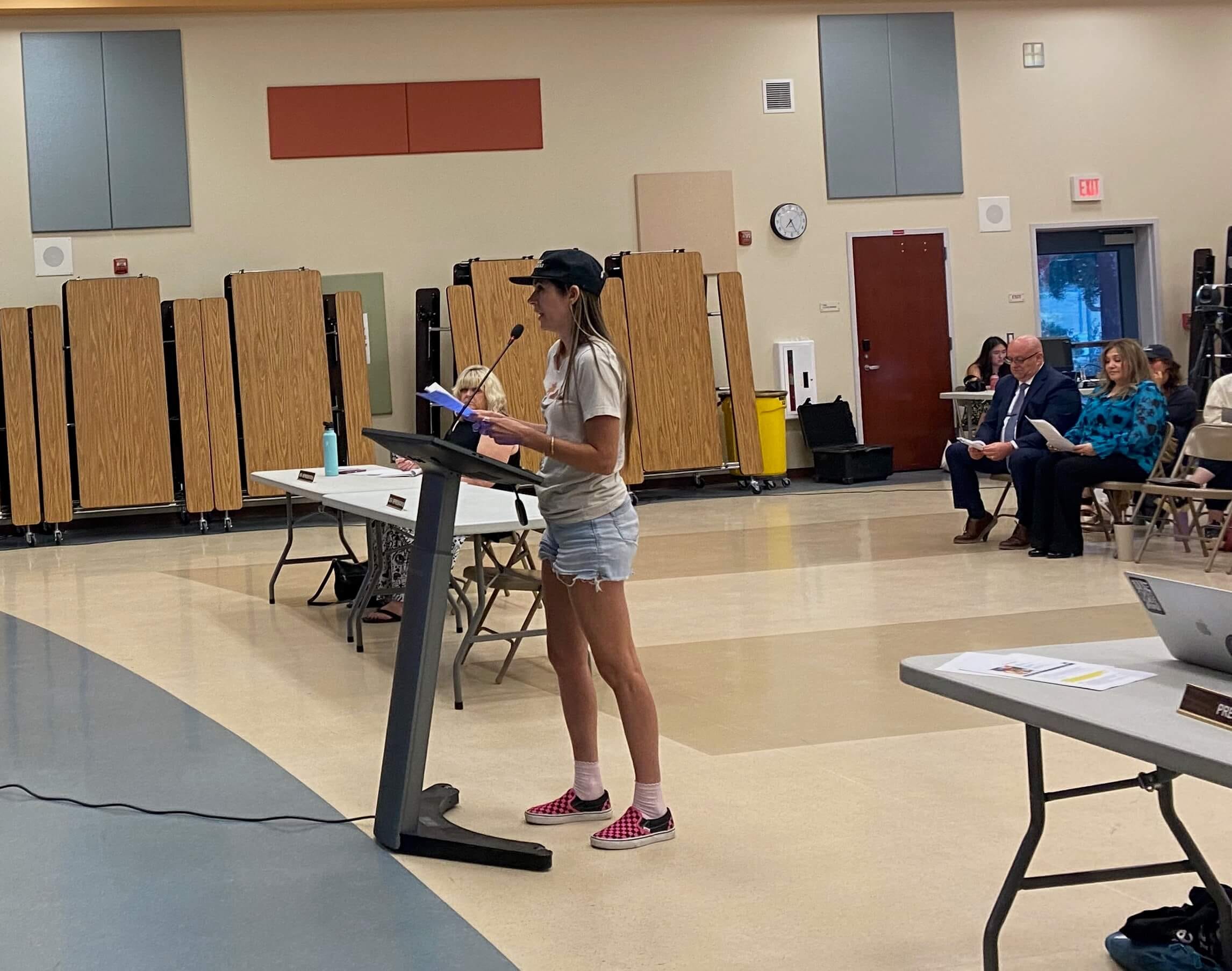
Mr. Altshuler raised concerns about the change in bylaws happening before board member elections in November, when three of the five seats will be on the ballot, with terms set to expire in December 2026 in Trustee Areas 1, 4, and 5. He compared the consolidation of power to what he observed living in Russia under Putin, telling the board,
When power is written away from elected representatives aboard one administrative office, people notice we’re not stupid. The board should not reduce its own oversight power before the election. The board should not make the superintendent’s office the gatekeeper of public concerns. The board should not lock in power structures while voters are waiting for their chance to speak.
Perhaps to ease some parents’ concerns, Board member Stoker explained the wording of the bylaw had updated to provide clarity, but the policy was the same,
I think it’s important to know that although the language has changed, the intent has always been there. It talks about our authority in the same way that we aren’t able to resolve complaints on our own and that we don’t personally direct any employees or singularly direct the superintendent. These things have to be done as a board, so I just want to make sure that when people are reading it, that they’re understanding that the overall message is the same.
In a later comment, President Claire clarified further about the role of the board and the superintendent,
You guys are our constituency. We listen to you guys. You can still talk to us. … We just can’t take action to clarify. We have to bring that to Dr. Vargas. He’s our one and only employee, and then he has to take action, and we have to hold him accountable for those actions, so it’s not like we’re losing any sort of authority, but I do appreciate everybody being here.
While the language was standard as directed by the CSBA to all districts and is written to prevent a power grab or corruption by a singular board member, the comments were indicative that the public, especially parents, will continue to hold the board under close scrutiny. Both parties will have to work to rebuild trust, open communication, and fully address the issue of school closure and fiscal stability.
Three-year contract with Morongo Teachers Association passes unanimously
A tentative agreement between the school district and the Morongo Teachers Association passed with all board members voting in favor. The new, three-year contract with the Morongo Teachers Association covers employee rights, working conditions, and grievance, leave, and evolution procedures. In a separate agenda item, the board also approved an updated salary schedule for certificated personnel, which includes salary increase of 4.0% for fiscal year 25-26, 1.66% for 26-27, 3.06% for 27-28.
Welcoming a new Assistant Superintendent for Human Resources
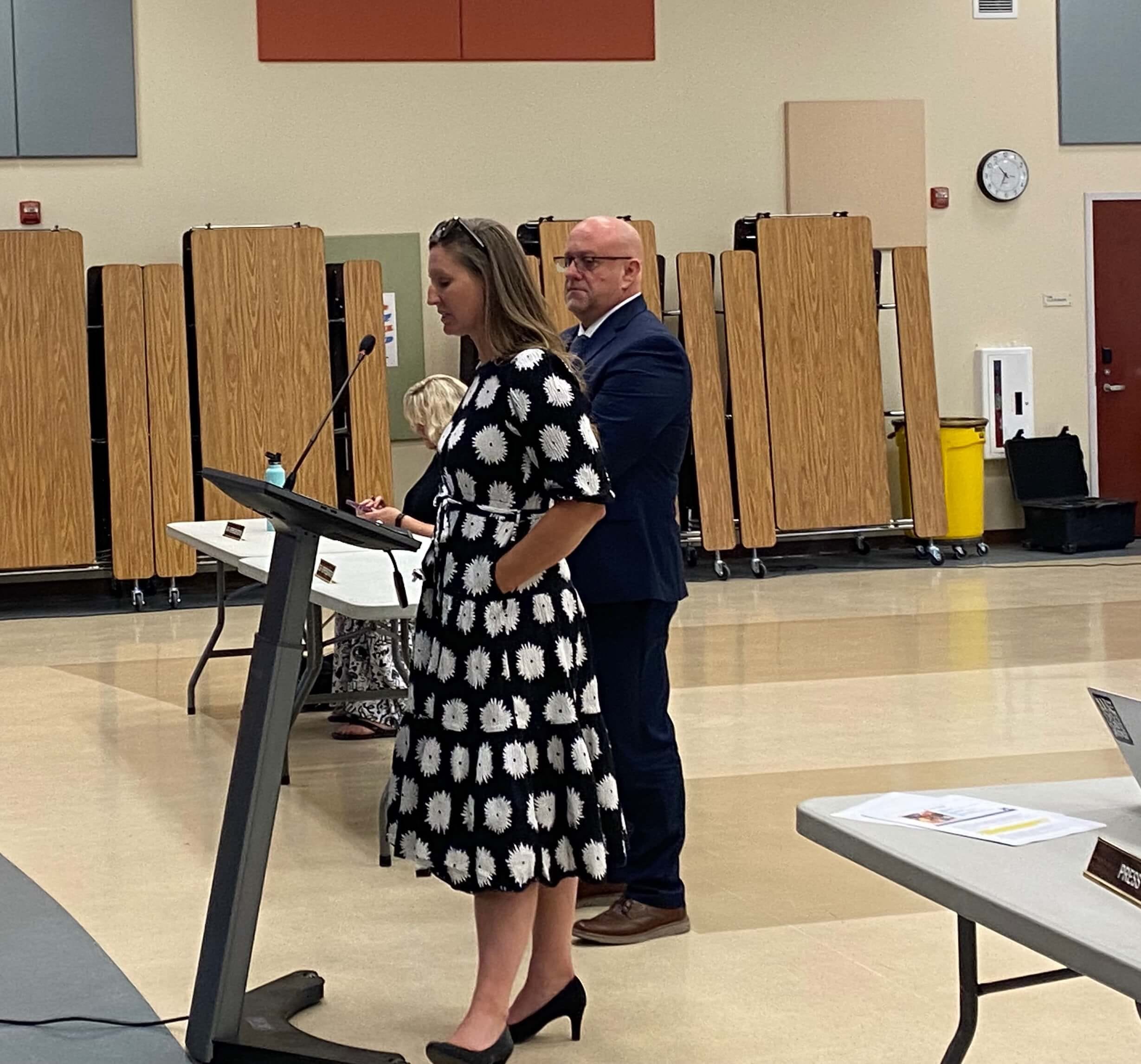
The board also welcomed Dennis Zink as the new assistant superintendent for human resources. Zink served as a special education teacher, assistant principal, and then principal of Palm Spring High School for nearly a decade and also worked in Human Resources in Palm Springs and Desert Sands Unified School District. He will replace current assistant superintendent for HR Stacy Smalling.
The need for transparency, trust, and working together
Overall, parents expressed a need for accountability and transparency around board governance and spending, especially around the steps that will be taken to ensure schools stay open. They also wanted more information about how Measure C bond funds are being spent to improve schools and school infrastructure.
During his board remarks, Claire reminded all assembled about their shared purpose and the importance of discussion. He also spoke to the need for more future discussion about Measure C and how the School Leaders recommendations will and will not be implemented. He reflected on the meeting saying,
This isn’t a circus, this is our public, this is our children. We had a lot of tough votes tonight. We had a split vote on some things, and sometimes that happens. I know a lot of people think, oh, that’s horrible. I don’t think that’s horrible at all. I think we can have this difference of opinion and still move forward and still do great things for our students. We have a lot of great things moving.
The next regular school board meeting will be on August 10, 2026.
Hi, new subscribers! Desert Trumpet understands you might not be interested in all of our coverage. That’s why it’s divided into separate newsletters allowing you to opt out of reporting that’s not important to you. For instance, you may want our Education news but not City Hall 29.
Here’s how to opt out: go to your Substack settings, scroll down to “subscriptions,” and select “Edit” for the Desert Trumpet. Simply uncheck the box next to the newsletters you don’t want to receive in your email inbox. You’ll still be able to access all coverage online if you change your mind.
Thanks to you, Desert Trumpet met our $10,000 paid subscription goal!!!
Not a paid subscriber yet? Did you know that paid subscribers receive discounts on our DT Social events and invites to DT Front Porch, intimate discussions featuring local officials and notable residents?
Upgrade to a $50+ paid subscription for a 10% discount.
Upgrade to $100+ for a 25% discount.
Sustaining subscribers at the $250+ level and above receive complementary tickets.
Leave your thoughts in the comments below. Please note that we do not allow anonymous comments. Please be sure your first and last name is on your profile prior to commenting. Anonymous comments will be deleted.
This coverage is free - please share!
These reports were provided to The Desert Trumpet after the meeting and have not been reviewed for accuracy. We are including them here to inform our readers.
Measure C was approved by voters in November of 2024 for the issuance of bonds totaling $88,300,000 to fund specific projects in schools in the Morongo Basin, including: Health, safety and security improvements, technology upgrades, classroom and facility modernization and upgrades, and HVAC unit replacement and shade structure and installation. No funds can be used for district administration or employee salaries. A Citizens' Oversight Committee with representatives from all communities and annual independent audits ensures that the money is spent consistent with a voter-approved project list. Learn more about Measure C: https://www.morongo.k12.ca.us/page/measure-c
Great, thorough, fair coverage. Thanks.
Thank you very much for your work!!!