
Ofland Resort Project Officially Cancelled but Questions About Development Remain
The abandoned resort project raises larger questions about how to achieve balanced, sustainable development in the Morongo Basin.

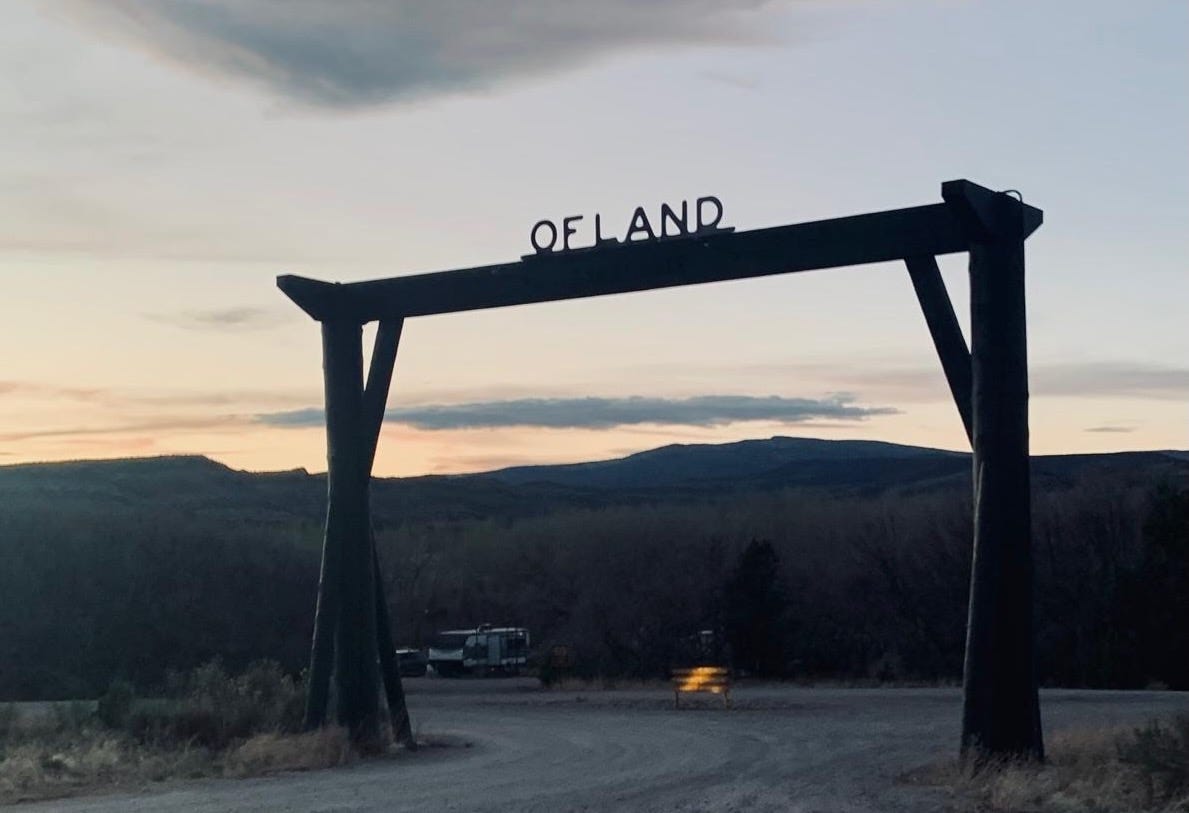
The controversial Ofland resort project, proposed to be developed in the Indian Cove neighborhood, came one step closer to being canceled when the Twentynine Palms City Council voted on July 28, 2026 5-0 to rescind its zoning, making full cancellation near certain.
This move followed a lawsuit filed in August 2025 by the Center for Biological Diversity and Indian Cove Neighbors over the City Council’s approval of the proposed Ofland resort project without a full environmental review. The developer decided not to move forward with the project and in a public court hearing on April 29, 2026, Ofland’s lawyers requested a temporary stay of litigation. To comply with the stay, and as requested by the developer, the City of Twentynine Palms was required to rescind all project entitlements within 90 days of the stay, or July 28, 2026. There will be a follow up hearing and final vote on August 25, 2026.
While the cancellation of the Ofland resort was brought about due to organized community opposition and a lawsuit, as well as changing economic conditions, the project’s trajectory raises larger questions about desert development and local leadership’s role in facilitating it. The abandonment of the project has potential implications for jobs and future developments in the Morongo Basin.
To accommodate this project, the City Council willingly reshaped their zoning and added new zoning types for a single private developer, without binding conditions and a full environmental review. The council approved the project 5-0 twice despite strong opposition from residents. With three of five council seats up for election in November, voters should consider the gap between the outcome and the process carefully.
In light of these questions, and the constant pressure from proposed new development projects from mines and solar farms, the Desert Trumpet takes a look back at the Ofland project and analyzes the implications for future developments.
A contentious project from the beginning
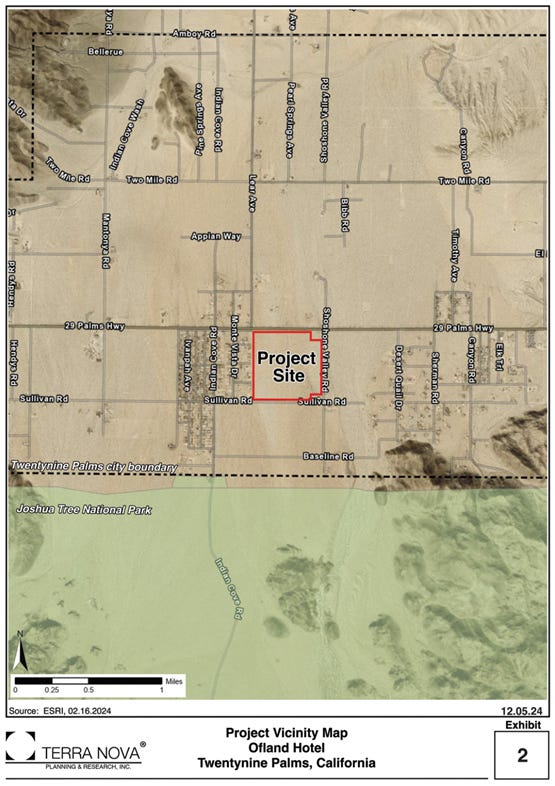
The luxury resort project, which was proposed on an undeveloped 152-acre parcel in Indian Cove, would have consisted of multiple new structures, including 100 freestanding guest cabins, 25 staff housing units, a restaurant, event space, and a wastewater treatment facility. It drew controversy when it was initially proposed in 2023, then under the Yonder resort name.
While proponents for the project argued it would have brought needed jobs and tourism infrastructure to Twentynine Palms, the project drew criticism due to many factors. Those included:
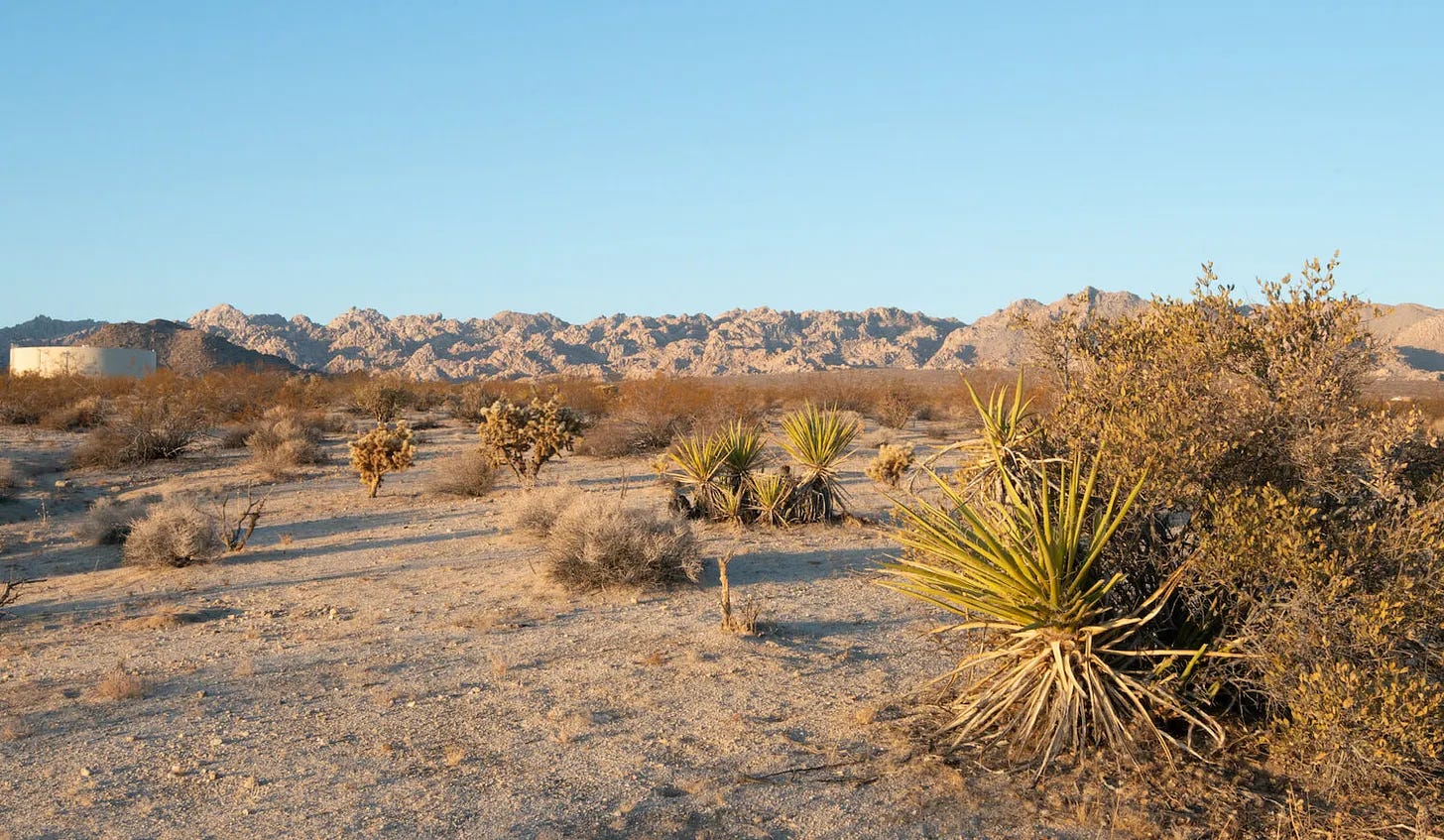
Potential impact on critical wildlife habitat and open space.
Aim to change a residentially zoned area to commercial tourist zoning.
The increase of traffic, noise, and light pollution it would bring to a rural neighborhood.
The location outside of Twentynine Palms’ downtown business district.
In July 2025 the Twentynine Palms City Council voted 5-0 to approve the Ofland Hotel development without requiring an Environmental Impact Report and relying instead on a much less rigorous Mitigated Negative Declaration report. Following this decision, in August of 2025, the Center for Biological Diversity and Indian Cove Neighbors filed a lawsuit in the San Bernardino County Superior Court against the City of Twentynine Palms over the City Council’s approval of the proposed Ofland resort project without a full environmental review.
As previously reported in the Desert Trumpet, the suit contended that the city violated the California Environmental Quality Act by approving the project without considering how it would harm habitat that may be home to important desert plants and animals, including desert tortoises, burrowing owls, bobcats, and American badgers. You can read the Desert Trumpet’s previous coverage of Ofland and desert development here.
The resort promised jobs, but would they materialize?
Advocates for the Ofland project touted the construction and hospitality jobs that it would bring to the Morongo Basin. However, it is most likely these jobs would have been short-term, seasonal, and not guaranteed to locals.
Looking at Ofland’s only operating resort in Escalante, Utah, gives a sense of what the jobs they could have brought to Twentynine Palms would be like. Their pitch to workers, which seems to appeal to the young, “van life” RV crowd, is to “do hard sh*t with great people,” hardly a pitch that will appeal to locals looking for steady employment. They hire for seasonal jobs and, as a “perk” of employment, offer on-site housing, in reality most of them are dormitory-style with shared kitchens, which would not be a fit for locals in the Morongo Basin who often have children and who need permanent, stable, and affordable housing.
In Utah, the starting pay for Ofland employees is $16 an hour, and while California’s wages are higher, this is hardly the “highly competitive wages” they promise on their website for the Twentynine Palms resort, which is still live as of August 7, 2026. In addition, the Conditional Use Permit that was granted to Ofland by the city of Twentynine Palms did not require Ofland to hire locally, post jobs with local workforce agencies, or offer full-time employment. Ofland’s promise to offer local jobs was a marketing pitch, not a legally enforceable contingency.
We’re in the midst of our summer subscription drive! Help the Desert Trumpet reach 1600 subscribers by subscribing today!
Economic uncertainty impacted the decision
The economic conditions for building, development, and tourism are drastically different than they were when the resort was first proposed in 2023. Material costs for building have skyrocketed, fuel and transportation costs have exploded, and shifting tariffs and immigration policies have created uncertainty in the construction industry.
In addition, the hotel and vacation rental market in the Hi-Desert is fluctuating and not the gold mine many developers may have seen a few years ago. An “America the Beautiful” annual pass to multiple national parks and forests now costs $250 for international visitors, though fees for individual entrance remain $30 per vehicle for a standard pass at Joshua Tree National Park. In addition, the cultural climate has shifted. In February the New York Times reported that the US was the only major destination to see a decline in international visitors in 2025. The trend has continued this year, with international visitors down 14% in April compared to previous years and many international visitors, especially those from Canada, have cancelled their trips to the US or are vacationing elsewhere.
The Twentynine Palms Tourism Improvement District (TBID) reported a 19% increase in revenue collection from hotels, RV Park, vacation rental stays in the first quarter of 2026 (January to March) from the same quarter the previous year. However, this may be due to the addition of two new hotels, Hotel Wren and Reset, since last year. In addition, costs for fuel, transportation, and everyday goods have continued to increase, especially driven by the impact of the war in Iran. This could mean that even tourists within driving distance may be limiting their trips and discretionary spending.
How the continued economic disruption and uncertainty will impact tourism and overnight stays throughout 2026 in the Morongo Basin remains to be seen, but the gamble on additional resorts and glamping sites may not be worth it. As the City accepted a projection of $350,000 of revenue from a 1.5% Transient Occupancy Tax to fund the TBID, it relies on continued overnight visitorship to fund its activities to support and increase overnight stays. It also raises larger questions about whether the Morongo Basin’s economic reliance on outside visitors is sustainable long term.
What does this mean for future development and zoning decisions in Twentynine Palms?
Although the 152-acre parcel will revert to residential zoning from commercial tourist once the entitlements are rescinded in August, the precedent remains. If the City is willing to reshape their zoning framework for a single private developer despite local opposition, would they do it again? Future developers may be watching this process closely and while it failed this time, it may have opened the door for developer-specific zoning changes in the future.
The City did establish a new type of zoning, Open Space Conservation (OS-C). While this zoning will be rescinded with the city council’s vote on August 25, it could be re-established through general plan additions. A similar open space zoning is being considered by the Planning Commission as part of their general plan process. This could give the city a useful tool for creating a balance between development and environmental preservation in the future.
The arc of the Ofland project puts a microscope on the credibility of the City Council and Planning Commission’s processes. Residents and litigants in the lawsuit who challenged Ofland criticized the environmental review as inadequate and while the lawsuit was ultimately withdrawn, it needed to go through litigation, and not the City’s own processes, to arrive at this decision. During the lawsuit, Ofland covered the City’s legal expenses.
An uncertain future and a need for a coherent development plan
While the abandonment of this project could be considered a victory for advocates for environmental protection and sustainable development, it’s only one chapter in the tensions surrounding development in the Hi-Desert. The E-Group Solar Farm, which also required zoning changes, was rejected by the City Council in a 3-1-1 vote this spring, but is being challenged at the state level. After three years of contentious meetings, organizing, and litigation, the Twentynine Palms community is left without a coherent vision, plan, or approach for development.
Other development projects, such as the Music Valley Mine, which is within and just outside of the City of Twentynine Palms, also threaten the desert ecology and residents’ quality of life in the Basin. Twentynine Palms Mayor Daniel Mintz has signaled opposition to the mine and the lack of consultation with the city of Twentynine Palms, and many community members have expressed their opposition. San Bernardino County also began construction on the Lear Solar Project just outside of the city this year. Whether mining, energy, or development projects, outside developers still eye the desert as a potential gold mine. A coherent development plan could help steer future developments in a direction that could benefit the community and protect the desert environment.
Many pressing questions remain around development: What kinds of businesses do the City of Twentynine Palms, and the Morongo Basin as a whole, want to attract? What will both benefit desert residents and protect fragile desert ecosystems long term? And can government leaders in Twentynine Palms, Yucca Valley, and San Bernardino County work together to develop a coherent plan to guide economic development so governing bodies can be proactive, as opposed to reactive, and less subject to the whims of outside developers?
NOTE: Desert Trumpet staff members Cindy Bernard, Kat Talley-Jones, and Heidi Heard live in the Indian Cove neighborhood, adjacent to this proposed development project, and are on the organizing committees of Indian Cove Neighbors and Say No to Ofland. Read our policy for covering Ofland here.
Support our coverage of development in the Morongo Basin - Become a paid subscriber!
Subscribing to the Desert Trumpet will always be free. That said, did you know that paid subscribers receive discounts on our DT Social events and invites to DT Front Porch, intimate discussions featuring local officials and notable residents?
Upgrade to a $50+ paid subscription for a 10% discount.
Upgrade to $100+ for a 25% discount.
Sustaining subscribers at the $250+ level and above receive complimentary tickets.
Leave your thoughts in the comments below. Please note that we do not allow anonymous comments. Please be sure your first and last name is on your profile prior to commenting. Anonymous comments will be deleted.
This coverage is free - please share!